Live in the community
Students are hosted in the community for the whole trimester, not bussed in for the day.
Every UDS student spends a full trimester living and working in a rural community. It is the oldest and best known of the university’s field programmes, and the reason UDS calls itself a university for development.
Every UDS student spends a full trimester living and working in a rural community. It is the oldest and best known of the university’s field programmes, and the reason UDS calls itself a university for development.
The Third Trimester Field Practical Programme places students in communities across northern Ghana for an entire trimester. They live there, they work on a problem the community itself named, and they come back with something written down that the community keeps.
The programme is not observation. Students arrive with a brief agreed in advance between the directorate, the district assembly and the community, and they are supervised throughout by academic staff who travel to them rather than waiting for a report.
For the university, TTFPP is how research questions are found. A great many of the solution areas on this site began as something a student noticed in a village and could not stop thinking about.
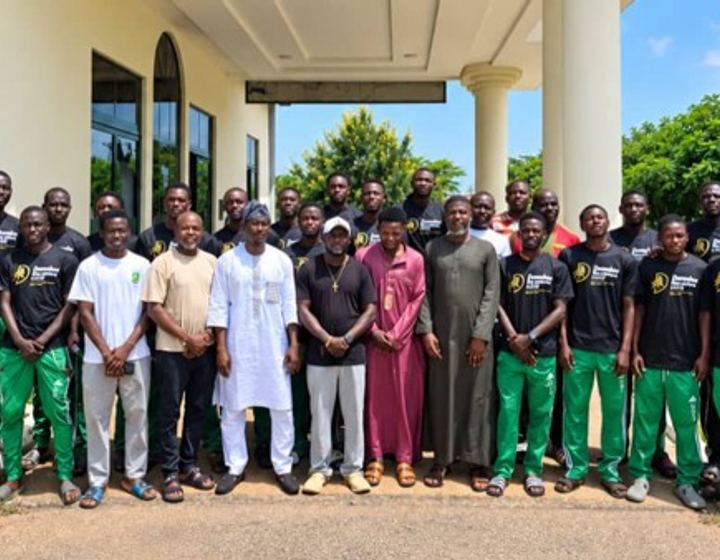
Students are hosted in the community for the whole trimester, not bussed in for the day.
The problem is named by the community and the district assembly before anyone arrives.
Academic staff visit the placements rather than marking a report from a distance.
Every placement ends with a written output the community and the assembly keep.
Students learn to ask before they advise. Employers say it is the difference they notice.
Field placements are where most UDS community research starts.
Plots restored, records kept, groups formed, plans written.
TTFPP is part of the undergraduate programme: students do not apply separately, they are placed. Placement lists and community allocations are published by the directorate each trimester through the schools.
Communities, district assemblies and organisations that would like to host a cohort should contact the directorate directly. Hosting is agreed a full trimester in advance so the brief can be written properly.
Let’s work together to create sustainable communities through teaching, research and innovation.