Household level
Students work at the level of the compound, not the ward.
Health and allied health students learn where most Ghanaians actually meet the health system: in the village, the compound and the district clinic — not the teaching hospital.
Health and allied health students learn where most Ghanaians actually meet the health system: in the village, the compound and the district clinic — not the teaching hospital.
Community-Based Education and Service puts health students into rural communities early and repeatedly, rather than once at the end. They run household surveys, support clinic days, trace the reasons a family is not immunising a child, and report what they find back to the district health directorate.
The point is not free labour. It is that a clinician trained only in a teaching hospital will spend a career surprised by the conditions most of their patients live in. COBES makes those conditions ordinary long before graduation.
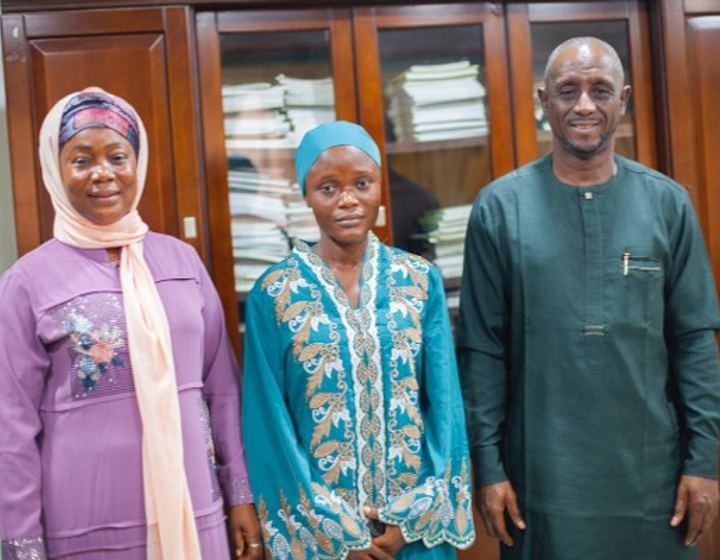
Students work at the level of the compound, not the ward.
Placements are arranged with the district health directorate and its clinics.
What students record is reported to the health authorities who can use it.
Graduates who are not meeting a village for the first time on posting.
Communities that were not well described in the data become visible.
COBES placements are arranged through the relevant school and coordinated with the directorate. Students are notified of blocks and locations in advance.
District health directorates and clinics interested in hosting students should contact DCROP.
Let’s work together to create sustainable communities through teaching, research and innovation.